LIFTKEYS – Atlas Elevator Overload System
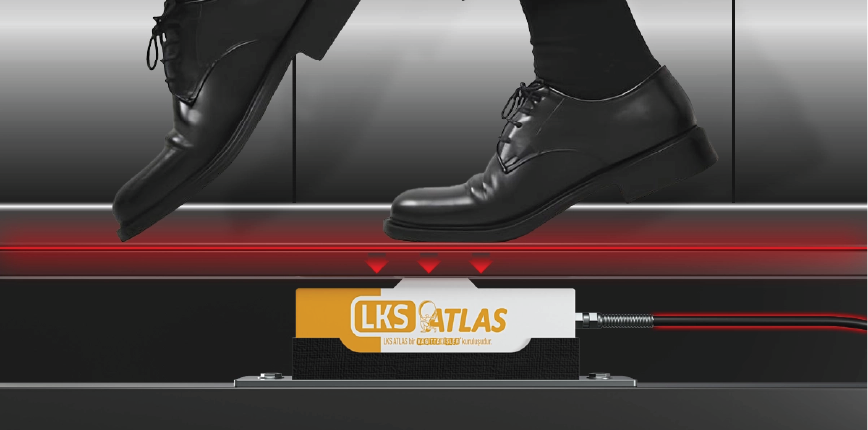
Liftkeys Atlas Elevator Overload System Promotional Video

"The New Standard
in Elevator Safety"

Meet the high-precision sensor technology.

Safety is not just a function,
it is a standard at LiftKeys.
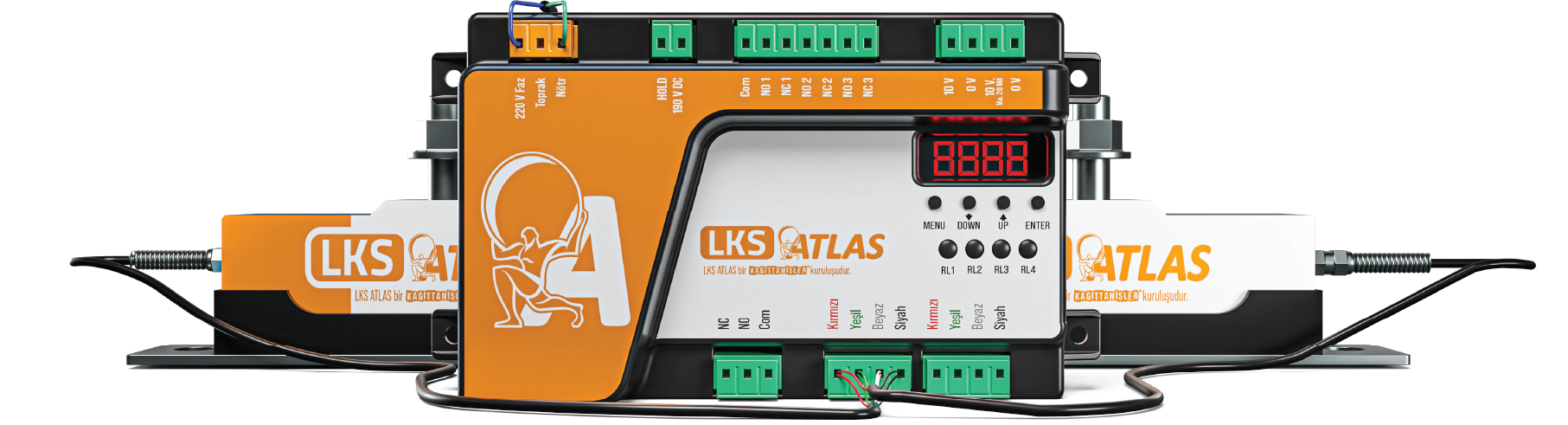
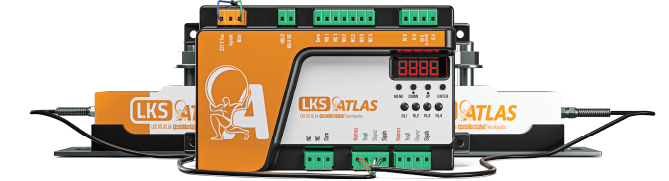
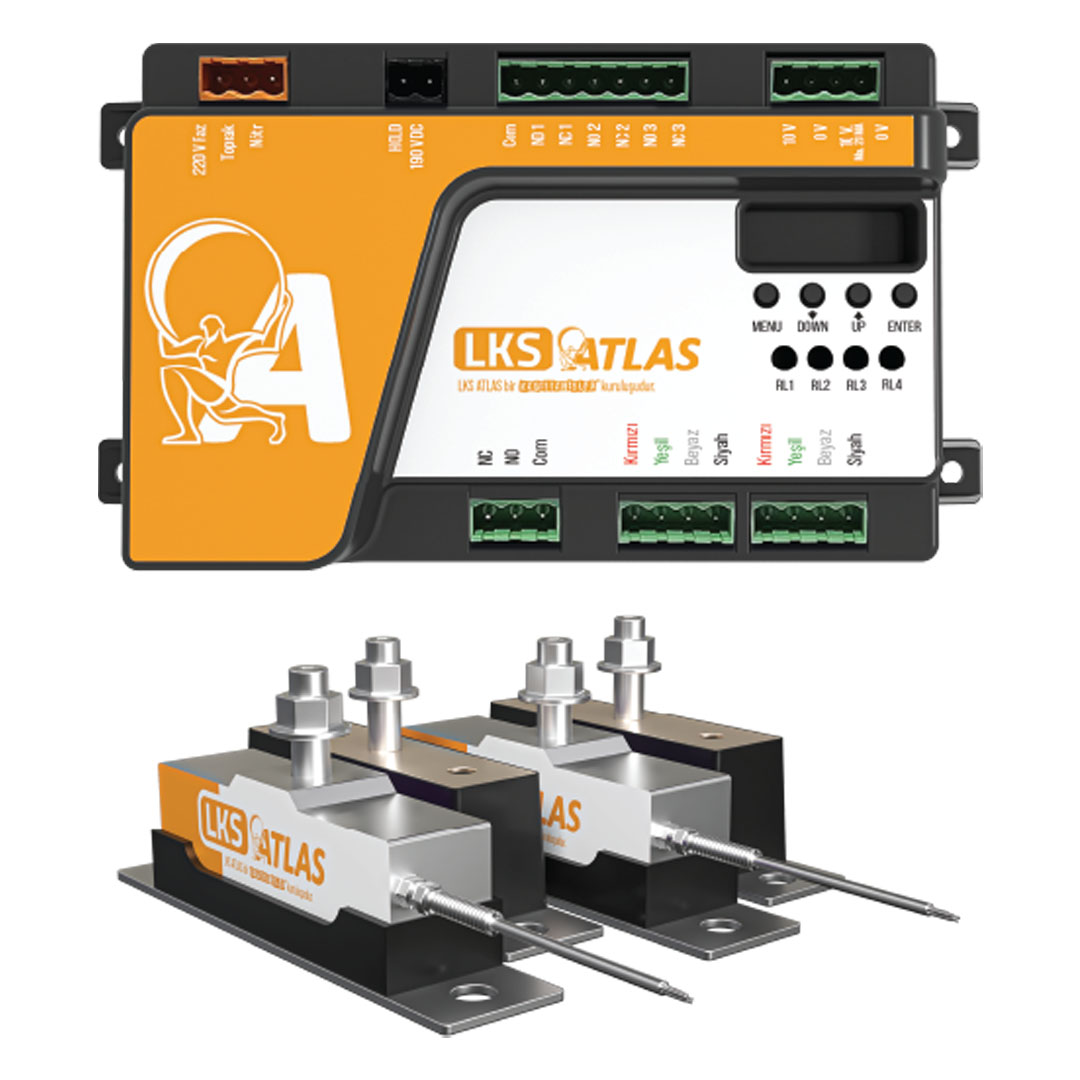
Atlas Device
Table of Contents
  • 1. Why Atlas Overload System?
  • 2. Technical Advantages
  • 3. Use Case Scenarios
  • 4. Installation & Calibration
  • 5. ROI: Return on Investment
  • 6. FAQ

Why Atlas?

Overcapacity in elevators shortens equipment life, increases failure rates, and raises safety risks.

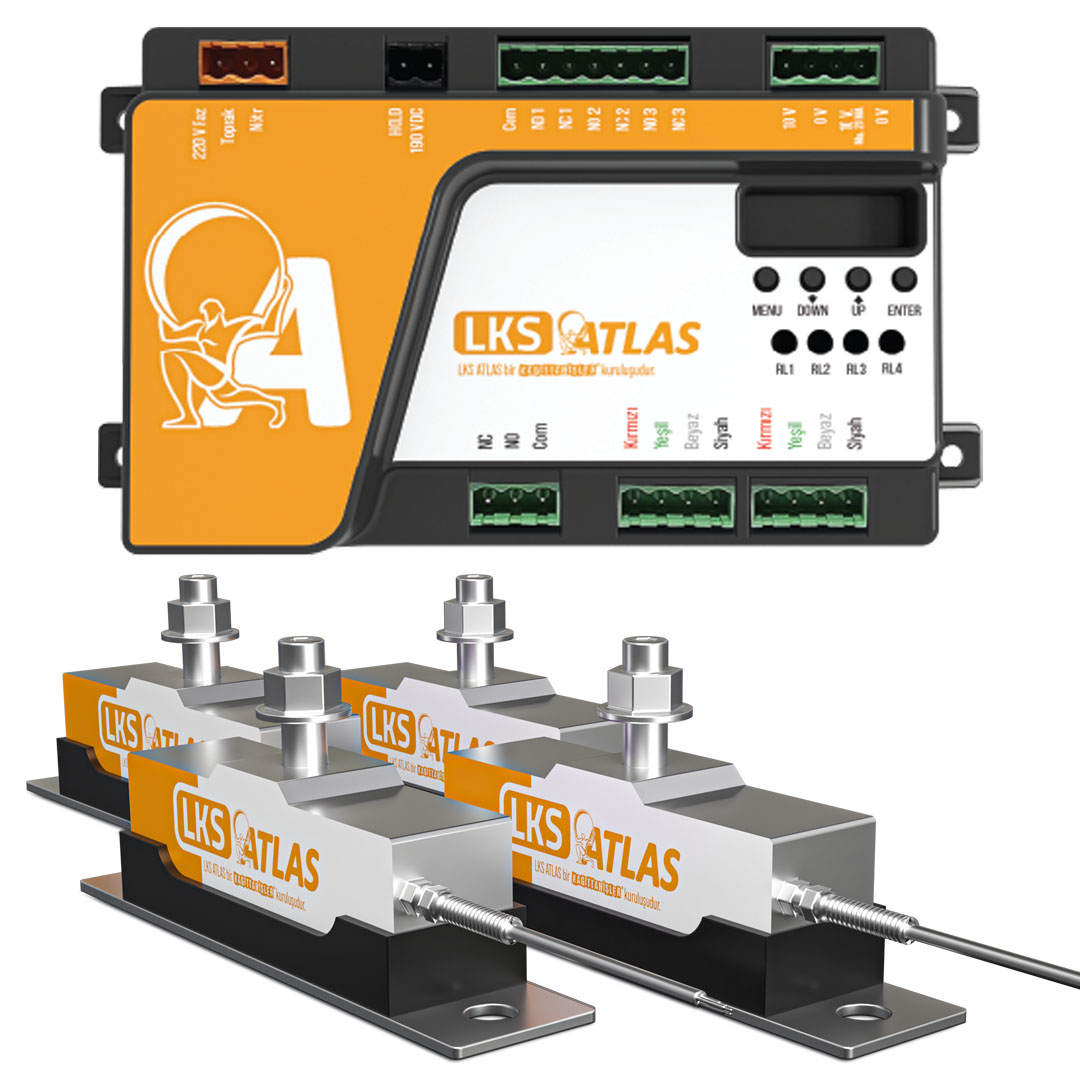
Atlas measures the cabin load within milliseconds and provides accurate feedback to the inverter and control panel; it prevents departure or gives a warning in case of overload.

High Safety Low Cost
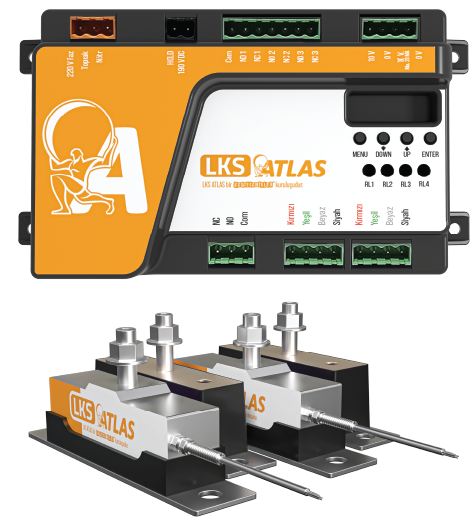
Atlas elevator overload control unit that reduces the risk of failure
TECHNICAL DIMENSIONS

Installation Diagram and Dimensions

(You can click on the images to enlarge them)

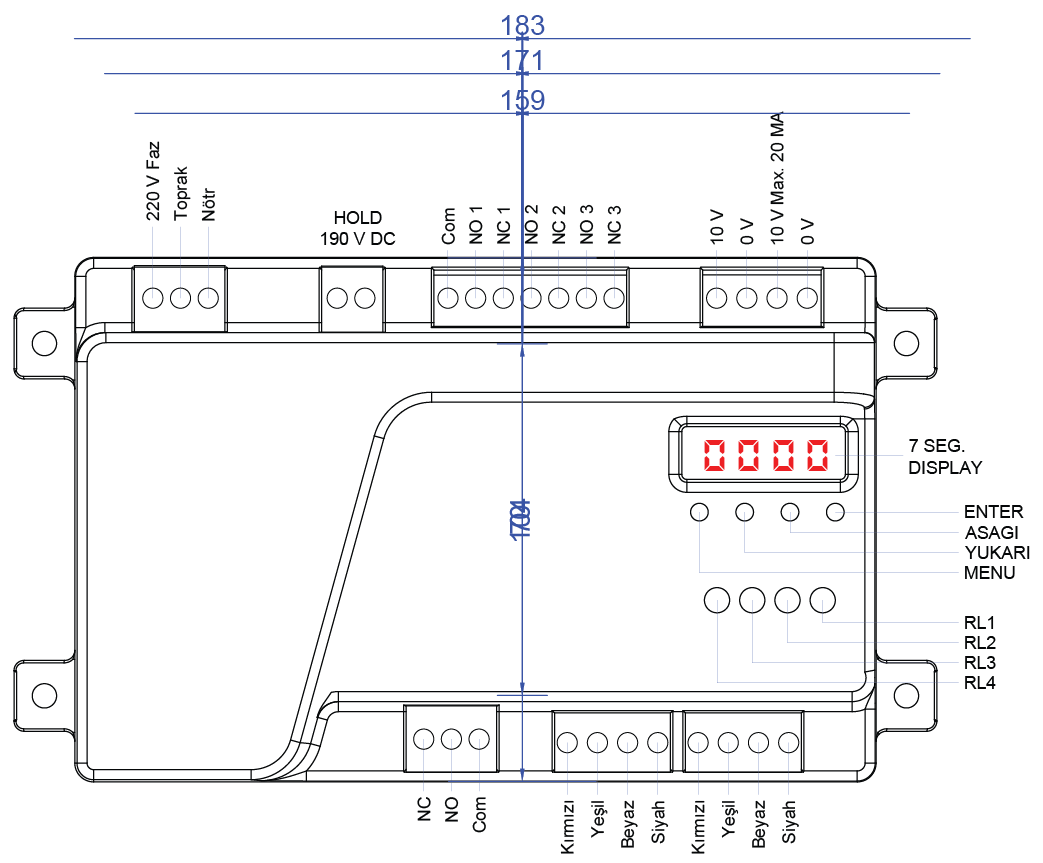
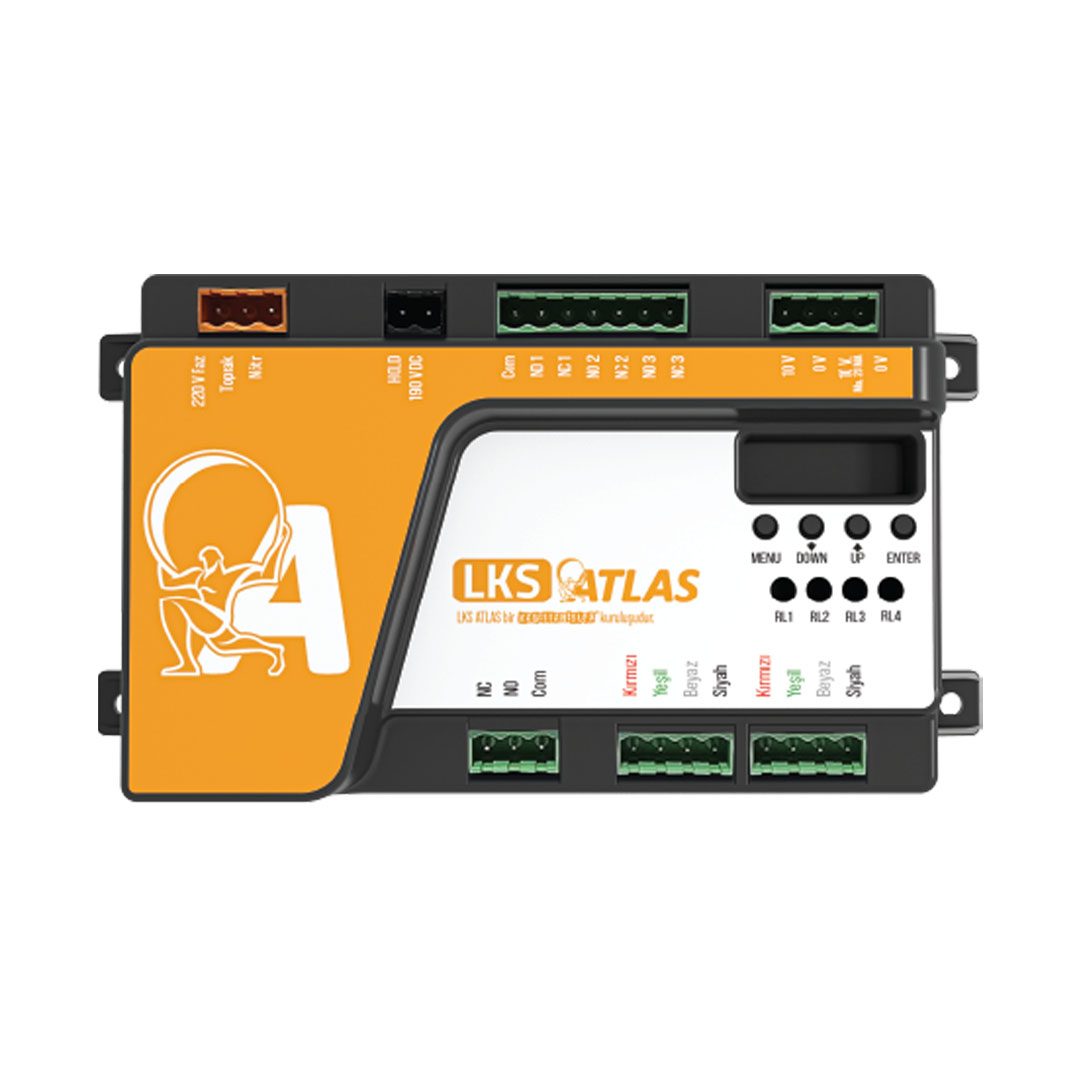
Power Unit (Control Panel)
Front View
Front technical drawing and dimensions of the LiftKeys Atlas elevator overload system control panel and power unit
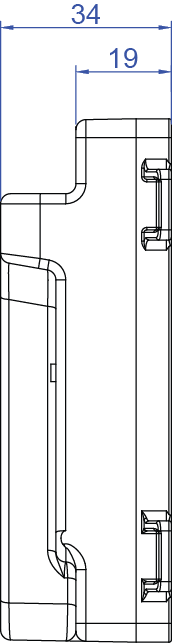
Side Section
Side profile depth dimensions and connection points of the LiftKeys Atlas overload system control unit
Width: 183 mm
Height: 104 mm
Depth: 34 mm
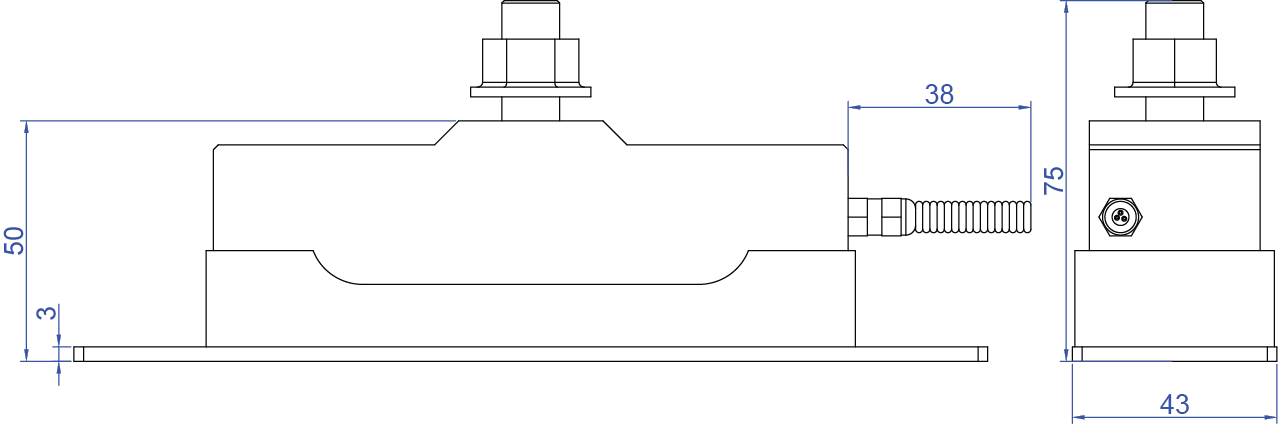
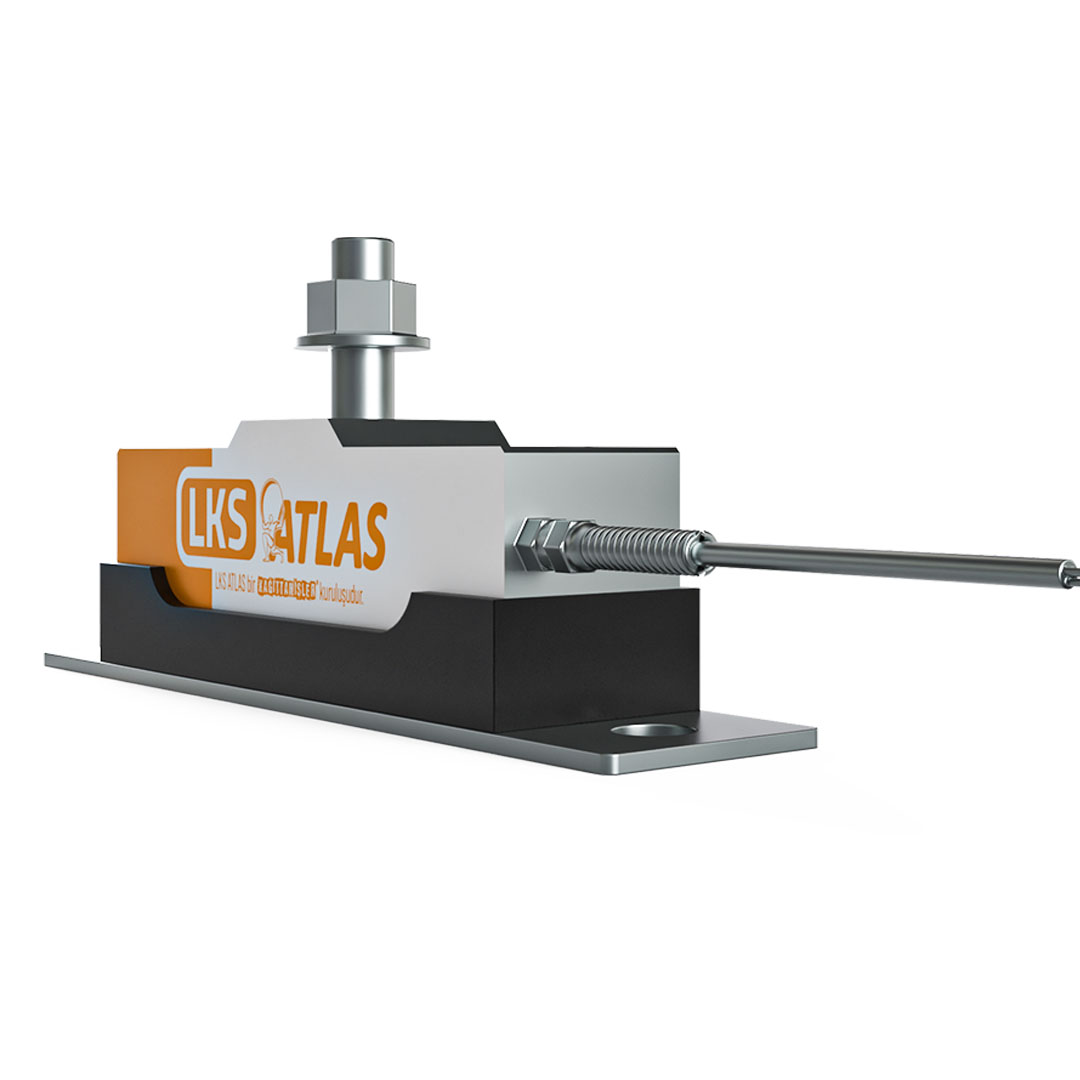
Measurement Sensor (Load Cell)
Profile View
LiftKeys Atlas under-rope elevator load measurement sensor and load cell profile technical drawing
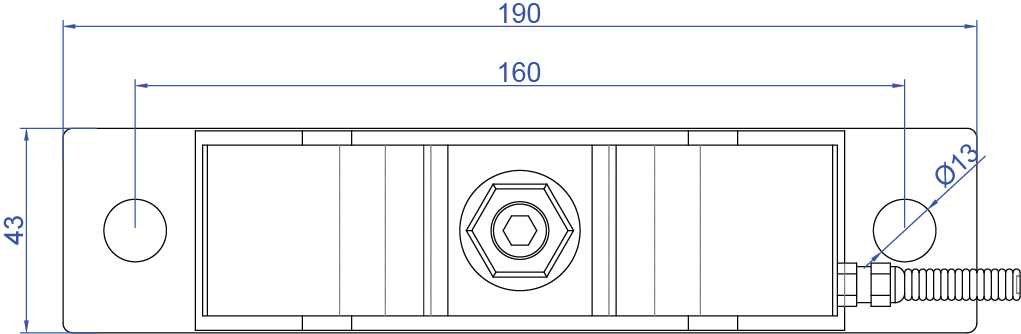
Sectional View
Elevator load sensor load cell side section mounting dimensions and screw details
Mounting Range: 160-190 mm
Total Height: 75 mm
Nut: M12 Standart

Corporate Compliance

Scalable architecture compliant with the management standards of modern buildings; structure ready for centralized monitoring in multi-cabin systems.

Corporate Compliance

Advanced Safety

Provides stable results in door open/close cycles and maximum passenger safety with precise sensor reading.

Advanced Safety

Technical Advantages

Precise Measurement

Stable reading even in dynamic load changes; advanced filter set that reduces false positives.

Fast Integration

I/O fully compatible with existing control panels; 'plug-and-play' feature with modular wiring harness.

Durability

Industrial-grade material, architectural structure with vibration and high temperature tolerance.

Use Case Scenarios

Shopping Mall & Hotel

Proactive prevention of overcapacity in high foot traffic; increases user satisfaction.

Hospital

Precise weight control in stretcher and equipment transport; operational safety.

Industrial Facility

Continuous accuracy in material and part transfers; extends equipment life.

Panel Wiring Diagram
Panel Connection
Calibration Screen
Calibration Screen

ROI: Return on Investment

Atlas reduces maintenance calls and part replacements as it decreases downtimes caused by overcapacity.

"In an average high-traffic facility, the system can pay for itself within 6–12 months."

Package Content
  • 1 Unit of LKS ATLAS Power Unit
  • 4 Units of Sensors (Optional 2/4)
  • 8 Pieces of M12x20 Bolts
  • 8 Pieces of M12 Washers
  • 8 Pieces of M12 Nuts
  • 4 Pieces of M10 Grub Screws (Set Screws)
  • 4 Pieces of M10 Washers & Nuts
  • 1 Unit of User Manual

Points to Consider

Authorized Personnel

For the safe and long-lasting use of our product, the materials must be installed by personnel with VQA (MYK) certification.

Cable Color Codes

Particular attention should be paid to the colors when connecting the sensor cables. Incorrect connection may lead to sensor failure.

Precise Calibration

The product is factory-calibrated. If a new precise calibration is desired, the specified load must be distributed evenly inside the cabin.

Power Input (220V)

Particular attention should be paid to ensuring that the 220 V supply voltage is connected to the appropriate input located in the upper left corner of the Power Unit.

Program Menu

This is the first tab that appears on the screen when the menu button is pressed, where the capacity setting is made. You define the carrying capacity of the elevator here.

It is the audible warning system located on the board. It is recommended to keep it in the "on" position, but it can be turned off if requested according to the project.

It is the minimum load relay of the elevator. The factory default value is 20% of the rated load.
Example: It can be adjusted for scenarios such as preventing someone under 30 kg (children, etc.) from using the elevator alone.

It is the relay that informs the control panel that the cabin is half full. It is used for traffic management.

It is the relay that informs the control panel that the elevator is 80% full. The panel can optimize motor power and startup settings based on this information.

It is the relay where the rated load is measured according to the cabin capacity. When the elevator is filled to the rated load, it signals and prevents the elevator from operating.
TECHNICAL COMPARISON & SPECIFICATION

Comparison of LiftKeys Atlas Rope Overload System and Traditional Systems

Elevator cabin load weighing accuracy and safety parameters according to TS EN 81-20 standards.

Technical Feature LiftKeys Atlas Overload (Rope Type) Conventional Under Cabin Systems
Measurement Technology Direct Digital Measurement Over Wire Rope Tension Cabin Base Rubber Pressure Sensor
Rope Diameter Compatibility 6 mm – 16 mm (Flexible Connection Between 1 and 10 Ropes) Rope independent, depends on base size
Programmable Relay Output 4 Piece Independent Relay (Min Load, %50, %80, %110 STOP) 1 or 2 Relay (Overload Only)
Calibration Method One-Button Smart Reset (Zero-Tare) & Digital Calibration Manual Potentiometer/Test Weight Required
Dashboard Integration Compatible with All Elevator Control Boards (Dry Contact) Special Access Card May Be Required
Standard Compliance EN 81-20 & EN 81-50 Fully Compliant with Legal Standards Partial Eligibility
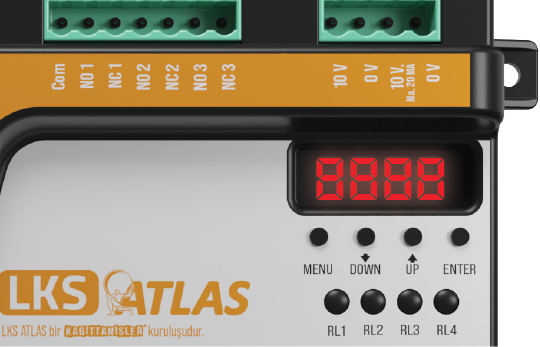
Display and Display Integrated 4 Digit Bright Digital LED Display No Screen or External Device Required
FAQS/TECHNICAL SUPPORT

Frequently Asked Questions About Elevator Overload System

The LiftKeys Atlas overload system supports steel and synthetic rope combinations from 1 rope to 10 ropes with a single sensor bar. It adapts to all standard rope diameters from 6 mm to 16 mm with practical fixing clamps.

No. Thanks to the intelligent software of the Atlas unit, a reset (Zero-Tare) is performed in the case of an empty cabin by pressing a single key. Then a single known weight value (e.g. the weight of 1 person) is introduced into the system and calibration is completed in a few seconds. No need to carry heavy test loads.

Yep. In accordance with Article 5.12.1.2 of the applicable EN 81-20 Standard, when 110% or at least 75 kg of the carrying capacity of the elevator cabin exceeds 110% or at least 75 kg, the cabin must be prevented from moving and audio/visual warning must be given inside the cabin. Atlas fulfills this requirement.

Yep. Since the Atlas control unit has independent dry contact relay outputs (RL1, RL2, RL3, RL4), it works one hundred percent compatible with all domestic and foreign elevator control boards and boards.
Our Related Products

Overload Systems ( ATLAS ) Systems & Parts

Our elevator equipment is certified in accordance with international standards and fully compatible with your system.

Dedicated Customer Teams and Flexible Services

Our global presence ensures that your production timelines are managed smoothly, cost-effectively, and in compliance.

Request a Quote

We do not offer cheap products; we offer the right product, with the right quality and at the right price. If you want to meet quality, write to us.

WhatsApp
Home Products WhatsApp Contact